 Την ημέρα του Ορθόδοξου Πάσχα η στρατιωτική επίθεση της Ρωσίας κατά της Ουκρανίας έκλεισε δύο μήνες. Η πρόβλεψη του τέλους αυτής της σύγκρουσης, είναι ιδιαίτερα δύσκολη υπόθεση και δυσκολότερη ακόμα, η εκτίμηση του τελικού αποτελέσματος. Το βέβαιο είναι πως όσο η ουκρανική αντίσταση και άμυνα συνεχίζεται, η Ρωσία και κυρίως ο Πούτιν, δεν κερδίζουν.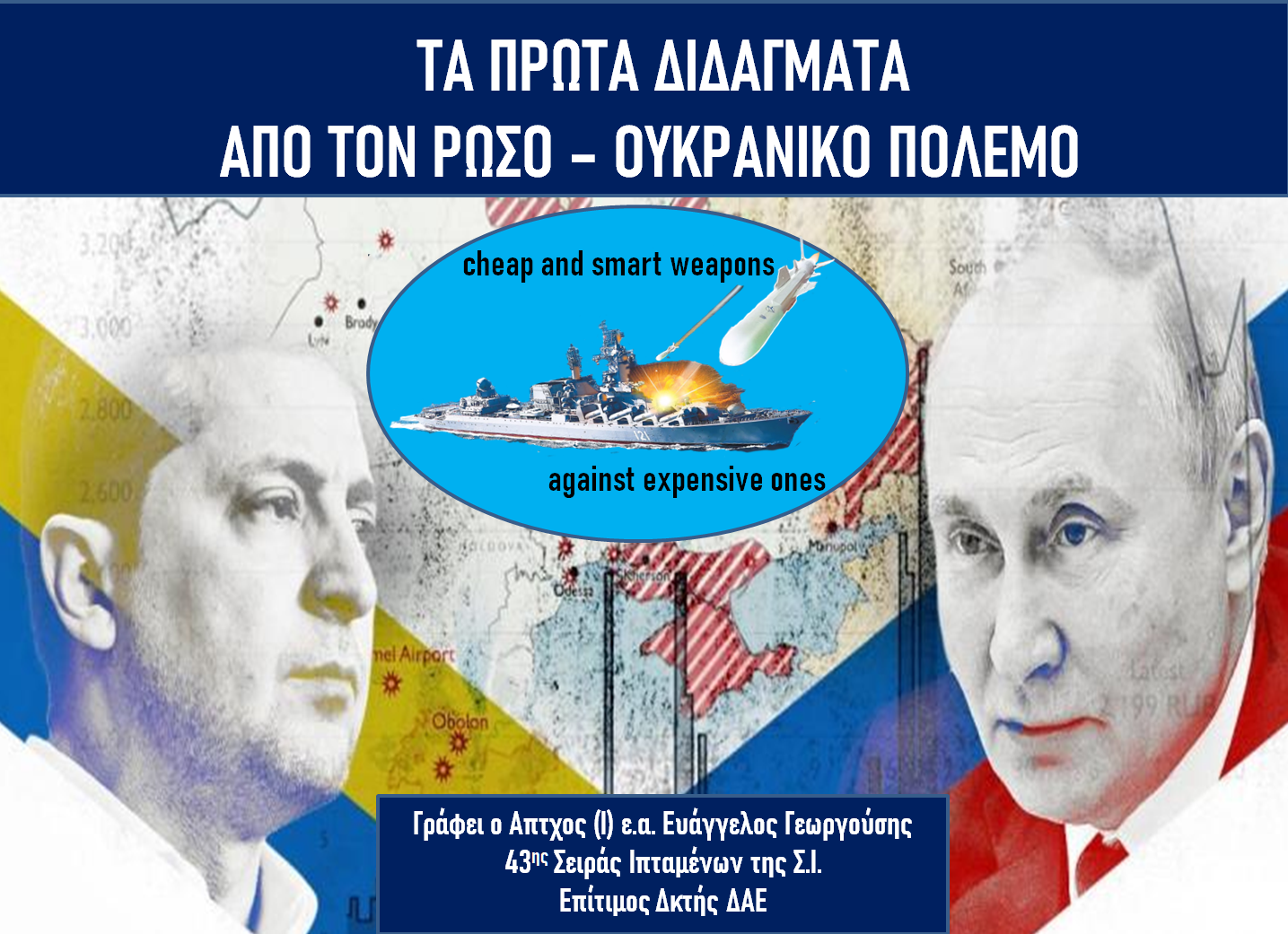



 Before Russian President Vladimir Putin launched his invasion of Ukraine, the question of NATO membership was barely part of the political debate in Finland and Sweden. Both countries have a long history of military nonalignment, and although they have gradually pursued closer cooperation with the United States and NATO—and politicians in both countries have long advocated membership—NATO accession was hardly seen as a pressing issue.
Putin’s invasion of Ukraine changed all that. In response to Russian aggression, both countries are reassessing their security policies, and seeking NATO membership is rapidly emerging as the most realistic option. Recent polls show that clear and increasing majorities in both countries support joining the alliance. In addition, both countries have delivered substantial amounts of weapons to Ukraine, including 10,000 man-portable antiarmor weapons from Sweden.
By invading Ukraine, Putin sought not only to bring that country back under its influence but to also change the security order of Europe. On the latter point, he has succeeded—just not in the way he likely intended. Russia’s assault has unified NATO and made its expansion much more likely. If Finland and Sweden join the alliance, as they look poised to do, they will bring substantial new military capabilities, including advanced air and submarine capabilities, that will alter the security architecture of northern Europe and help deter further Russian aggression.
ARMED NEUTRALITY .
Η συνέχεια PDF
Source: NATO’s Nordic Expansion
Source: NATO’s Nordic Expansion