Οι Δράσεις μας και η Τεκμηρίωσή τους!

×

Warning

Joomla\CMS\Cache\Storage\FileStorage::_deleteFolder Failed deleting index.html

ΩΔΗ ΣΤΟΝ ΘΡΥΛΙΚΟ ΠΑΠΑΦΛΕΣΣΑ
(Μανιάκι, 20 Μάϊου 1825)


Άγιε και Δαιμόνιε, Παππά κι Επαναστάτη,
με μια λαμπάδα στην καρδιά και μ’ αετίσιο μάτι,
φύτρωσες μέσα στα βουνά ελεύθερο γεράκι,
ύφανες με ψυχή και νού άφθαρτο μπαϊράκι
της λευτεριάς του γένους σου! ΚΑΙ, πήρες το σοκάκι
να βρεις, να ψάξεις το Θεό στα Άγια μοναστήρια…
Μεσ’ στις «ουράνιες» γραφές και στ’ άχραντα μυστήρια,
να του ζητήσεις φώτιση και ηρωισμό σαν προίκα,
για να προσφέρεις στους Γραικούς της Λευτεριάς τη γλύκα!

Η συνέχεια ΕΔΩ! 


Με την ολοκλήρωση της επίσκεψης του πρωθυπουργού της Ελλάδος στην Άγκυρα, συμπεραίνεται εκ του αποτελέσματος ότι το θέμα της Γαλάζιας Πατρίδας που θέτει η Τουρκία, δεν συζητήθηκε ή σε κάθε περίπτωση δεν επιλύθηκε.

Ο σχετικός χάρτης που έχει δημοσιοποιηθεί από την πλευρά της Τουρκίας , περιλαμβάνει μέρος του Αιγαίου και γενικότερα της Ανατολικής Μεσογείου. Το γαλάζιο χρώμα (mavi) που χρησιμοποιούν οι εξ ανατολών γείτονες για να περιγράψουν τα σύνορα της καρδιάς τους, που κατά την εσφαλμένη κρίση τους θα έπρεπε να ελέγχονται από την Τουρκία (Mavi Vatan), δεν αναφέρεται μόνο στο χρώμα της θάλασσας, αλλά και στη γαλάζια ημισέληνο.

Στο μάθημα “Πολιτική Εθνικής Άμυνας” που δίδασκα στη Σχολή Ικάρων, συγκρίναμε τις δημόσιες Δηλώσεις Πολιτικής Εθνικής Άμυνας (white papers) διαφόρων χωρών. Από τη σύγκριση αυτή ξεχώριζε η Τουρκία που μακράν της πολιτικής ορθότητας, διεκήρυσσε ότι θα χρησιμοποιεί στρατιωτική ισχύ εκτός των συνόρων της για την υποστήριξη των εθνικών επιδιώξεων. Αυτή η δήλωση χρήσης στρατιωτικής ισχύος εκτός συνόρων είναι καινοφανής διεθνώς, διότι είναι άμεσα εκπεφρασμένη απειλή προς άλλες χώρες, σε αντίθεση με την πολιτική των κανονιοφόρων που είναι έμμεση και μη εκπεφρασμένη απειλή χρήσης στρατιωτικής ισχύος ως υποστήριξη των διπλωματικών προσπαθειών.

Προς επίρρωση των ανωτέρω, η επίκληση της Γαλάζιας Πατρίδας στα δυτικά, αλλά και η επέμβαση των Τουρκικών Ενόπλων Δυνάμεων σε Συρία και Ιράκ, είναι αποδείξεις υλοποίησης των διακηρυγμένων επιδιώξεων της Πολιτικής Εθνικής Άμυνας της Τουρκίας. Σε πρόσφατη επίσκεψη στην Ουάσιγκτον στα πλαίσια διεθνούς εκδήλωσης για την ανάπτυξη καινοτομίας για την Άμυνα και Ασφάλεια, διαπιστώθηκε ότι στο πάρκο εμπρός από τον Λευκό Οίκο, κυμάτιζαν οι σημαίες της γαλάζιας ημισελήνου, προκαλώντας την προσοχή των επισκεπτών.

Οι σημαίες αυτές είναι ορατές από τα παράθυρα του Λευκού Οίκου και σίγουρα θα υπάρχει σχετική αναφορά στις ημερήσιες εκθέσεις ασφαλείας που συντάσσονται από τις αρμόδιες υπηρεσίες και υποβάλλονται για ενημέρωση προς τον πρόεδρο των Ηνωμένων Πολιτειών. Η γαλάζια ημισέληνος είναι η σημαία του Ανατολικού Τουρκεστάν που κατά την Τουρκία, η Κίνα κατέλαβε το έτος 1949. Για την ολοκληρωμένη γεωπολιτική αντίληψη αναφέρεται σχετική περιγραφή στη Βικιπαιδεια:

«Το Τουρκεστάν (ή και Τουρκιστάν, κυριολεκτικά “γη των Τούρκων” στα περσικά), αναφέρεται σε μια περιοχή στην Κεντρική Ασία μεταξύ Σιβηρίας προς τον βορρά, το Ιράν, το Αφγανιστάν και το Θιβέτ προς τον νότο, την Κασπία Θάλασσα προς τα δυτικά και την έρημο Γκόμπι στα ανατολικά. Το Τουρκεστάν περιλαμβάνει τα σημερινά ανεξάρτητα κράτη το Καζακστάν, το Τατζικιστάν, το Τουρκμενιστάν, το Ουζμπεκιστάν και τμήματα της κινεζικής Σιντσιάνγκ (επίσης γνωστό ως Ανατολικό Τουρκεστάν)».

Οι σχέσεις Τουρκίας-Κίνας
Η σχέση μεταξύ Τουρκίας και Κίνας, κυρίως λόγω της μουσουλμανικής μειονότητας των Ουιγούρων, είναι προβληματική και κατά περιόδους επιχειρείται ένας κατακερματισμός στα θέματα διμερών σχέσεων, αποφεύγοντας τους σκοπέλους μίας εκ των προτέρων συνολικής διευθέτησης των υπαρχόντων διαφορών, προς όφελος σχεδιασμών αμοιβαίου οικονομικού κυρίως συμφέροντος. Επισημαίνεται ότι η ίδια πολιτική του κατακερματισμού εφαρμόζεται και στα διμερή ελληνο-τουρκικά θέματα, ως αποτέλεσμα της πρόσφατης επίσκεψης του Έλληνα πρωθυπουργού στην Τουρκία, αφήνοντας στην άκρη τις ουσιαστικές διαφορές.

Για τους Τουρκογενείς πληθυσμούς της ευρύτερης αυτής περιοχής του Τουρκιστάν, η Τουρκία έχει επανειλημμένως προσπαθήσει να εμφανιστεί ως προστάτης με ηγετικές επιδιώξεις. Ειδικά για το Ανατολικό Τουρκεστάν, λίαν όψιμα σήμερα προκαλεί αντιδράσεις και εκδηλώσεις εναντίον της κατοχής του από την Κίνα, όπως είναι η ανάρτηση της γαλάζιας ημισελήνου εμπρός από τον Λευκό Οίκο. Η φαινομενικά αυθόρμητη αυτή εκδήλωση εξυπηρετεί πολλαπλώς τις Τουρκικές επιδιώξεις.

Κατ’ αρχήν περνάει υποσυνείδητα τόσο στην κοινή γνώμη όσο και στην πολιτική ηγεσία των ΗΠΑ η ύπαρξη πραγματικής Γαλάζιας Πατρίδας στο Ανατολικό Τουρκεστάν που βρίσκεται υπό κινέζικη κατοχή. Με άκρατο ρεαλισμό και γνωρίζοντας την προτεραιοποίηση της Κινέζικης απειλής από τους Αμερικανούς στρατηγικούς αναλυτές, συντάσσεται απέναντι στον κοινό αντίπαλο, σε υποστήριξη του Αμερικανικού στρατηγικού σχεδιασμού, γνωστού ως “pivot to Asia”.

Η ανατολική “Γαλάζια Πατρίδα” της Τουρκίας
Σε περίπτωση επιδείνωσης των αμερικανοκινεζικών σχέσεων, που είναι πιθανόν να κλιμακωθεί με επιθετική κίνηση της Κίνας εναντίον της Ταϊβάν, η Τουρκία ήδη προσφέρεται να προξενήσει τον δέοντα αντιπερισπασμό, είτε δημιουργώντας ένταση και κρίση, είτε ακόμα και ένοπλη εξέγερση ή σύγκρουση στα μετόπισθεν της Κίνας δηλαδή το “υπό κατοχή” Ανατολικό Τουρκεστάν. Η πιθανή κινητοποίηση και άλλων τουρκογενών κρατών στην περιοχή, θα ενισχύσει τη θέση της Τουρκίας αναδεικνύοντάς την σε περιφερειακή υπερδύναμη στην Κεντρική Ασία.

Στους Αμερικανικούς σχεδιασμούς για τις πιθανές εξελίξεις στη Σινική θάλασσα, είναι θετική έως και εξαιρετικά επιθυμητή η δημιουργία στρατηγικού αντιπερισπασμού, αναγνωρίζοντας επομένως το δίκαιο των Τουρκικών ισχυρισμών (σύνορα της καρδιάς τους) όσο τουλάχιστον αφορά την Κίνα. Η Τουρκία έχει ήδη πλασαριστεί και αναμένει την εξέλιξη των γεγονότων, για την αποκόμιση ωφελημάτων από την προσφερόμενη “εκδούλευση”.

(*) ο αντιπτέραρχος (Ι)εα Ιωάννης Αναστασάκης έχει διατελέσει αξιωματικός «Ηλεκτρονικού Πολέμου» στο ΓΕΑ, στο ΓΕΕΘΑ και στο ΝΑΤΟ, καθώς και εκλεγμένος Πρόεδρος της πολυεθνικής Ομάδας Εμπειρογνωμόνων (expert Group chairman) που συντάσσει και αναθεωρεί ετησίως τους καταλόγους των υλικών και της τεχνολογίας Διττής χρήσης (Dual Use items and technology).


This question should be raised by bureaucrats at all levels (leaders, diplomats and staff) serving in international organizations and for the scope of this article, in particular the EU.

The same question must be addressed, by the Hellenic Government, to those involved with partners and the potential

enlargement of the EU with new applicants – member states.

Being more specific, I will refer to some issues observed with three neighboring countries with Greece, namely, North Macedonia, Albania, and Turkey.

Very recently, the leaders of the aforementioned countries, have addressed to their internal audiences, (but made known publically - worldwide) raising questions and matters that have different level impact, as regards Hellenic external and internal policy, the diplomatic state of affairs either bilaterally or at the EU context, and most importantly at the peoples’ perception. In one world those issues can be referred as “revisionism”.

These questions, as raised by each of the leaders of those countries, have distinct way on the aspects they address, driven though by the same origin: “revisionism” as already highlighted.

Coming to specific points:

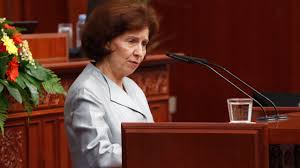
We heard statements from the recently elected President of North Macedonia Mrs Gordana Siljanovska-Davkova, against the provisions of the so called “Prespes agreement”, announcing her decision to call the country with the “provocative name” which was the core issue for severe and yearly negotiations on the matter, sorted though out with the “Prespes Agreement” among the Hellenic Republic and the (later) North Macedonia, witnessed by HE Matthew Nimetz.
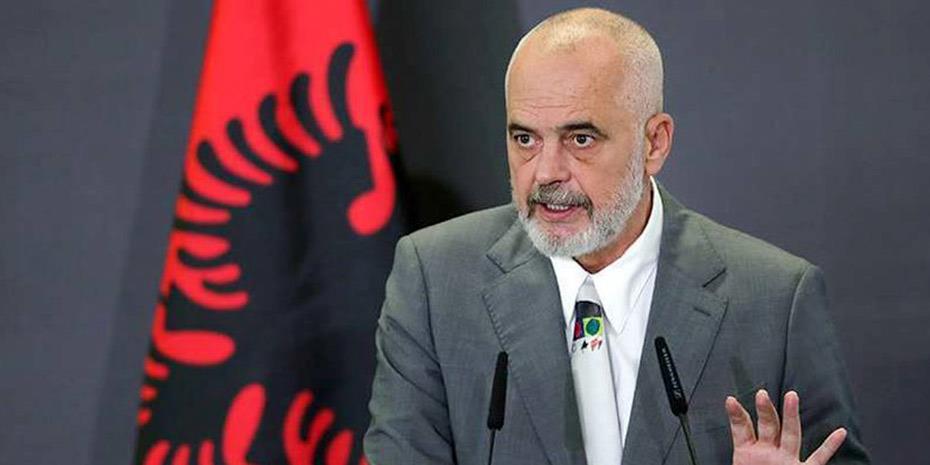
We heard Prime Minister Rama, during his private visit to Athens raising questions on issues related to human rights and in particular the “Beleri” case, among others that have brought the level of the relations of the two countries to a historic low.
In addition he declared, without any hesitation and in a rather provocative manner, that regardless the will of Athens, Tirana will join the EU by 2030!

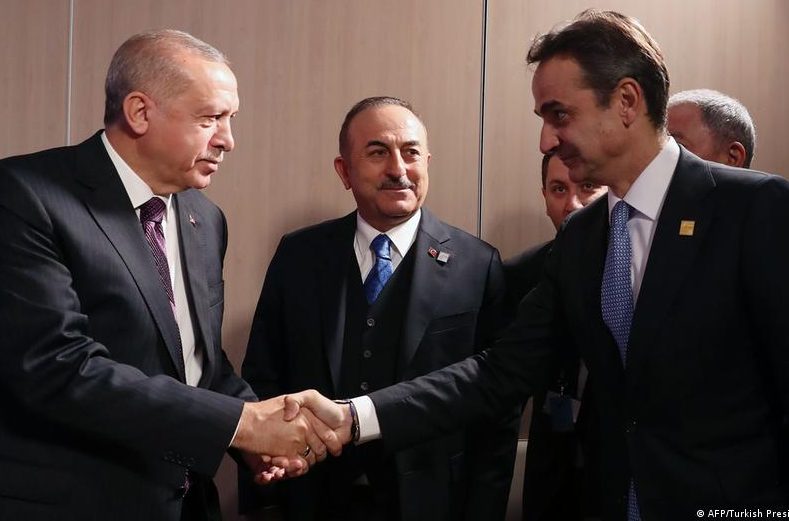
We heard President Erdogan, referring to unilaterally raised questions, as regards Turkeys’ broadening agenda against Greece, insisting that the existing problems can be solved bilaterally and out of the scope and context of international law and jurisdiction of the pertinent international entities.

Each country’s position differs, and they have distinct point of view; to my opinion Turkey’s priority is not being a full EU member but affiliated with a “special relations” status wit the EU, allowing her to be benefited of by the EU provisions while evading away from its obligations. Albania and North Macedonia have the need of the EU, seek the accession, in order to be able to develop, progress and get integrated to modern societies and to a wealthy and secure club of democracies.

Remember, these are three of the nine EU candidate countries, {https://www.theparliamentmagazine.eu/news/article/eu-expansion-how-close-are-the-nine-candidate-states-to-membership}, under the observation of the EU for their compliance to the EU principles and values. And the leaders of these countries, challenge and provoke other EU Member Countries (for the scope of this article Greece and Cyprus in particular) and to my humble perception, they provoke the “Club” that they are “willing or whishing” to join!

Someone could argue that this is paradise for the bureaucrats in Brussels, but as it comes to our own capital (political, diplomatic, economic, etc.), definitely there is an inserted anomaly there! There is an unwanted expenditure of this national (Hellenic) capital, thus I suggest that the

Greek Government should consider a comprehensive approach (a whole of government approach) and explore potential options (not limited to those solely proposed) to handle those issues at the EU, NATO and other pertinent bodies’ level:
• Put EU funding (either some or even all, at governments discretion and negotiation process) opportunities on hold for these three.
• Include in the periodic reports of each candidate to the EU country the aforementioned statements of their leaders and use them at their accession process, pick up negotiation opportunities and correlate them with the concept as briefly described above.
• Freeze - hold (even critical if so required to transmit the message seriously) processes not strictly related to those issues, but to other “very important” issues of the EU and NATO, explaining to the organizations that Greece has limited capacity to handle all “suddenly or opportunistically raised” issues, thus this decision is a matter of national priority.
• Consequently, call for proper procedural and secretarial actions (example; call for article 4 consultations, within NATO context referring to North Macedonia when it comes to the name issue) trying to address the issue collectively at each International Organization respectively.
• Follow a similar approach on a bilateral level to other member states / countries to share perceptions and potentially design a common way out or ahead.

Having said that I wish to conclude by highlighting the importance of the question of this article, aiming at creating the perception needed to our own leaders, but also to the leaders and to the peoples in our neighboring countries, that in the international relations where principles and values matters, that it is important not even thinking to “dare”; then Greece could be proud of its resilient deterrence capacity.

Ο Γεώργιος Τσόγκας ...

Following my recent article at “Nea Proini” {https://neaproini.gr/2024/05/16/how-do-you-dare-your-excellency/} considering the recent declarations made the President of North Macedonia, but also by the leader of the opposition party and most probably the next Prime Minister of a coalition government, concerning their right (as they perceive it) to name their country as they wish, and to the contrary of the provisions of the “Prespes Agreement”, but also the declarations and statements made by the Greek leadership, I wish to come back and highlight the following:
These declarations made publically, draw the attention of the International Community including the EU, the United States amongst others and most importantly the Greek government, while they stimulated the reflections of the Greek people on this very sensitive to them issue.
Those initial reflections might be perceived in a positive manner, as regards the Greek interests and positions, but following observations are required to verify an attractive outcome and “end state” positive results.
Most Greeks for several reasons feel betrayed from the Greek Government of the time, for the acceptance of the “Prespes Agreement”, raising blames to it once again, observing again the recurrence of the issue. The present article though, has no intention to make any analysis whither that decision from the Greek Government to accept “Prespes” was right, ensuring the country’s’ national interests or not.
As regards North Macedonia, I strongly believe that the country seeks for full membership accession to the European Union, because through the EU, aims at achieving prosperity, development, financial, social and political security that the Union ensures for all of its member states.
Over the last years, North Macedonia has made concrete steps for development towards the EU accession, thus creating the required preconditions for the benefit of all Balkan countries (not yet members of the EU) to accomplish their european ambitions. Only then, regional stability, development and peaceful co-existence of the people in the Balkan Peninsula can be materialized.
After NATO's Summit in Bucharest in 2008, when the Alliance agreed upon the resolvement of the name issue for (by the time) FYROM and now North Macedonia, to be the precondition for its accession to NATO, lots have been achieved; it should be considered that Skopje did their homework towards their European integration. The aforementioned declarations by the North Macedonia elite though, present a drawback for the country, against their aspirations to the EU potential.
It has to be highlighted that, back in 2008 the main aim for Skopje was to be integrated to NATO and not to the EU; with the “Prespes Agreement” their aim has been achieved; and they very well know that regardless of any circumstances, they will remain NATO member country. In other words, regardless potential provocations may appear on the diplomatic tables and any choices of revisionism (including the official name of the country) against Greece in this case, they will remain in NATO, simply because there is not any expelling mechanism in the Alliance.
Consequently and in a very distinct manner, the Greek Prime Minister warned them that they will challenge their potential to the EU integration by taking the aforementioned choices.
I will reiterate myself saying once more, that their goal to be in the NATO Alliance has been achieved; and when it comes to the EU integration, if they follow concrete paths fulfilling their obligations, their accession to the EU could be achieved in the following years. If that happens, the Greek government might face a significant challenge; either to agree and accept them in the EU, or not, using as rationale the “name” issue and the meanwhile provocations made by the leaders of North Macedonia. It can easily be understood that in this case, another set of meaningless negotiations might be required. Eventually, a new Bucharest, now in the EU context will be created and Greece must bear the cost of a significant diplomatic capital expenditure. On the other hand, personally, I don’t foresee Skopje to be ready in the mid-term to access the EU; thus, they may have estimated that, by questioning now the agreed country’s name, and naming it in accordance with “their right” or as they wish, this name will stick to the european minds by the time of their accession.
The main issue though for the Greek people’s perception remains unchanged; Skopje has achieved their integration to NATO and now that they know that expulsion from the alliance is out of question, they present their revisionism against Greece, in a fearless matter towards their EU potential.
To my humble perception Greece now has two options:
In the EU context and assuming that we “learned our lesson” from the revisionist Skopje, all necessary precautionary actions must be taken in order to ensure Greece’s national interest. Further down the road of such negotiations, Greece should be very-very ungenerous towards Skopje path to the EU. My proposals as stated in my previous article to “Nea Proini” remain unchanged.
In the NATO context though, is has to be assumed that the bureaucracy will not accept any declination of the provisions and the agreements for the name of North Macedonia. At the same time I estimate that the following will be realized:
- Officials and officers from North Macedonia, being under national orders in meetings, will use the provocative and against the Prespes Agreement name for their country. As a consequence to that, at any instance and state of play, the Greek stuff is obliged to react in a rather parallel manner as we act on a very similar issue concerning the Montreux Convention (referring to the name of “The Straits”) drawing the attention of the participants. Is has to be assumed though, that this reaction will soon cause “fatigue” for the new staff members and to those bureaucrats that they are unaware or unwilling to consider existing political sensitivities.
Furthermore, the issue will be considered a bilateral one, and soon, I foresee an isolation of the greek claims and rationale, against allies who eventually are not interested in and to those who may consider that our reaction introduce drawbacks for the allied processes and decisions.
Even worse, it is estimated that some of the staff (International-IS or Military-IMS) will pose the rhetoric question “if it really matters?” or “if the Greek objections have substance?”, blaming Greece for showing non-flexibility, or unwilling to compromise. At the same moment, it has to be expected that Turkey, will take the opportunity to fully support North Macedonia in their positions. Eventually soon, Greece will have to cope with several “bilateral” cases in the alliance (!) and I will stop here restraining to analyze it further!
Furthermore, Greece has to come with a rationale each time when consensus or agreement cannot be achieved, assuming that the North Macedonia provocations have been included in the subject text. It is evitable that in these circumstances a significant diplomatic capital should be paid, from our side.
In order to encounter that, a dynamic action should be taken to handle the issue, adopting if so required an extreme way ahead, if so needed to demonstrate our firm will and commitment to resolve the issue once and for all! Potential call for Article 4 consultations among the allies, or alternatively to ask the staff (IS-IMS) to put upcoming papers, proposals and decisions on hold for some time, which should allow us to consider a way out and examine potential solutions.
Aiming at gaining proper level of allied attention, a comprehensive approach to allies who do understand our positions, to ensure proper support from them, should be explored; that will work as a pressure mechanism to Skopje and others who may consider challenging our national interests and priorities.

Ο Γεώργιος Τσόγκας ...

Σήμερα (15/5/2024) σε ολοήμερο συνέδριο της DEFEA, οι περί τους 400 συμμετέχοντες σε αυτό (υπό την αιγίδα του ΥΕΘΑ), είχαν την χαρά να ακούσουν διακεκριμένους ομιλητές του χώρου της καινοτομίας, της τεχνολογίας και της αμυντικής βιομηχανίας, που αφορούσε είτε σε συμμαχικές χώρες, είτε σε διεθνείς οργανισμούς, είτε σε φορείς εταιρειών. Το συνέδριο δεν είχε σε τίποτε να ζηλέψει άλλα διεθνή, στα οποία τουλάχιστον οι ανώτατοι αξιωματούχοι όλων των φορέων έχουν βρεθεί και συμμετάσχει. Το διεθνές του προφίλ, διαπιστώνεται από την πληθώρα των ξένων προσκεκλημένων και συμμετεχόντων από Ευρωπαϊκές Χώρες και Οργανισμούς.

Εν συντομία και κατά την προσωπική μου αντίληψη, παραθέτω απόψεις εν είδει συμπερασμάτων:
1. Εξαιρετικοί οι δημοσιογράφοι κ. Τασούλη και Νέδος (τοποθετήσεις, επικοινωνία, γνώση αντικειμένου).
2. Μεστός και περιεκτικός ο κ. ΥΕΘΑ, που μέσω του δυναμισμού και του εύστοχου λόγου που τον διακρίνει πέρασε τα μηνύματα προς κάθε κατεύθυνση.
3. Σημαντικά τα ακούσματα των ομιλητών από Γαλλία, Ολλανδία, Ισραήλ αλλά και του δικού μας, του αντιπρυτάνεως του ΠΑΜΑΚ στο πλαίσιο του νεοσυσταθέντος πυρήνα-δικτύου DefencEduNet cluster.
4. Οι βασικοί «key note speakers» ομιλητές έθεσαν τα ζητήματα με ακρίβεια, σαφήνεια και κατέστησαν σαφές το πλαίσιο προοπτικών και εξελίξεων, υπό την οπτική βεβαίως του καθενός (ανά επαγγελματικό χώρο αυτών).
5. Ιδιαίτερα σημαντικά και ηχηρά τα μηνύματα του κ. Α/ΓΕΕΘΑ, του Συμβούλου Εθνικής Ασφαλείας (με την όποια επανάληψη λεχθέντων να μην κουράζει, αντίθετα, η στην αγγλική τοποθέτησή του να «ερεθίζει-stimulates» το ακροατήριο).
6. Ιδιαίτερα ενημερωτικές και επίκαιρες οι παρουσιάσεις από τους διευθυντές και επιτελείς της EU Commission σε ότι αφορά τις εξελίξεις στο διάστημα, στη χρήση τεχνολογιών διττής χρήσης αλλά και των αναδυόμενων απειλητικών τεχνολογιών αποστέρησης (emerging disruptive technologies)
7. Οι παρουσιάσεις της οργάνωσης, του σκεπτικού, των πρωτοβουλιών, και των δράσεων των χωρών – οργανισμών από τους συναφείς ομιλητές, προσέφεραν στην απόκτηση της συναντίληψης των ζητημάτων κατά περίπτωση, για τον ευρω-ατλαντικό (και δυτικό) χώρο.
8. Άξια προσοχής η συμμετοχή των ΑΚΑΜ ξένων χωρών, που υπηρετούν στην Αθήνα.
9. Μάλλον αρνητικά εκλαμβάνεται η μη ύπαρξη ευκαιρίας – δυνατότητας διάδρασης ομιλητών και συμμετεχόντων, καθόσον δεν υπήρξε πρόβλεψη περιόδων ερωτήσεων-συζήτησης (Q&A). Το κενό καλύφθηκε (?) κατά τα διαλείμματα καφέ-γεύματος.
10. Η ευκαιρία επαφών στο πεrιθώριο (networking) ιδιαίτερα χρήσιμη - σημαντική.
11. Η διοργάνωση θα μπορούσε να είναι πιό συνεκτική συμπεριλαμβάνοντας συνδέσμους εταιρειών του χώρου (πχ ΣΕΚΕΕ, ΕΒΙΔΙΤΕ, ΕΕΛΕΑΑ, κλπ). Παρακαλώ το σχόλιο να εκληφθεί ως πρόταση για το επόμενο συνέδριο.

Οι συντονιστές επέδειξαν ιδιαίτερο επαγγελματικό προφίλ και διαχειρίστηκαν αποτελεσματικά χρόνο και πάνελ. Σπάνιο για τα «ελληνικά δεδομένα» σε γενικές γραμμές (ειλικρινά ήταν μία ή δύο οι εξαιρέσεις) τηρήθηκαν οι χρόνοι από πλευράς των εισηγητών / ομιλητών.
Πολύ καλή η διοργάνωση των διοργανωτών (ROTA SA), με το ποσό των περίπου 250Ε ως δικαίωμα συμμετοχής, να προκαλεί συναφές θέμα συζήτησης στα πηγαδάκια των διαλειμμάτων, ειδικά για μια εκδήλωση υπό την αιγίδα του Υπουργείου. Προσωπικά πάντως, συμμερίζομαι την αρχή ότι «there is no such a thing as a free lunch».

Αντιναύαρχος (εα) Γ. ΤΣΟΓΚΑΣ ΠΝ
Εκτελεστικός Διευθυντής Στρατηγικής
και Στρατηγικής Επικοινωνίας
Κέντρου Αριστείας ΑΚΡΟΠΟΛΙΣ

Αθήνα 22 / 2 /2024

Ο Γεώργιος Τσόγκας ...


Βίας ο Πριηνεύς: Άκουγε πολλά, μίλα την ώρα που πρέπει.

Θαλής o Μιλήσιος: Καλύτερα να σε φθονούν παρά να σε λυπούνται.

Κλεόβουλος ο Λίνδιος: Το μέτρο είναι άριστο.

Περίανδρος ο Κορίνθιος: Οι ηδονές είναι θνητές, οι αρετές αθάνατες.

Πιττακός ο Μυτιληναίος: Με την ανάγκη δεν τα βάζουν ούτε οι θεοί.

Σωκράτης: Εν οίδα ότι ουδέν οίδα. Ουδείς εκών κακός.

Θουκυδίδης: Δύο τα εναντιότατα ευβουλία είναι, τάχος τε και οργήν.

Πλάτων: Άγνοια, η ρίζα και ο μίσχος όλου του κακού. 

Αριστοτέλης: Δεν υπάρχει τίποτε πιο άνισο από την ίση μεταχείριση των ανίσων. 

Google Translate

Σαν Σήμερα ...

Back to Top

Copyright © 2026 CoE Acropolis. All Rights Reserved.
Joomla! is Free Software released under the GNU General Public License.